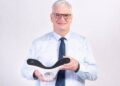


Bryan Scott McMillan is a seasoned business leader with more than thirty years of experience shaping growth in the global medical device industry.
Born in Las Vegas and raised in a hardworking family, he learnt early the value of discipline, responsibility and steady focus. These traits later guided him through a long career leading complex organisations and helping teams perform at their best.

Bryan studied Political Science and Business at Arizona State University, where he earned academic honours before later completing executive programmes at Harvard and the University of Texas. He stepped into the medical device industry soon after, taking on roles that required clear thinking, strategic planning and strong leadership. Over the years, he became known for reversing negative trends, building capable teams, and guiding companies through market shifts, product launches and global growth. His work included operations, R&D, marketing, partnerships, M&A and private equity collaboration.
A major turning point came after the loss of his wife to cancer. This personal tragedy pushed Bryan to rethink how he wanted to use his time and influence. While continuing his business leadership, he also devoted himself to service. He began volunteering at The WARM Place, later supporting Camp Sanguinity, and eventually founded Families with Holes — a charity that provides hope and guidance to grieving families.
Now an early retiree, Bryan uses his experience to mentor others, support charities and speak openly about resilience. His leadership approach remains simple: stay focused, stay grounded, and help people grow.
Q&A with Bryan Scott McMillan
How did your early life shape the way you lead today?
I grew up in North Las Vegas, in a family that worked hard to make ends meet. My parents were determined to give us structure, so they raised us in the Mormon church. We attended long services each week and were surrounded by doctors, lawyers and even a few local leaders. We didn’t have much, but we were treated like we belonged. That mix of humility and expectation taught me to respect people from every background. It also gave me a strong sense of responsibility. I was the oldest, so I looked after my younger brothers. Leading teams later in life didn’t feel foreign to me. It felt like an extension of what I had learnt at home.
What pushed you towards academics and wrestling when you were younger?
Grades were my escape path. I knew education could change my future, so I focused on schoolwork and wrestling. I started wrestling at age five, and it became a big part of my life. I competed through high school and even attended college on a partial wrestling scholarship. Wrestling taught me discipline and resilience. Those lessons followed me into my career. In business, you get knocked down quite a bit. The instinct to stand back up has served me well.
How did your career in the medical device industry begin?
After graduating from Arizona State University, where I studied Political Science and Business, I moved into the medical device field. The industry appealed to me because it combined innovation, technical thinking and meaningful impact. Over time, I took on executive roles that required strategic planning, operations management and global coordination. I became known for reversing declining business lines, building strong teams and creating healthier long-term strategies. Much of my work centred on product launches, regulatory challenges, partnerships and global expansion.
Can you share an example of a moment where leadership mattered most?
There were several, but one stands out. A company I joined was losing direction. Morale was low, sales were flat and teams didn’t trust the vision. I spent the first few months listening — really listening — to people across every department. Once they realised I wasn’t there to dictate, they began sharing the real problems. We adjusted our product roadmap, rebuilt parts of the leadership team and created clearer targets. Within a year, performance stabilised. Within two, the business returned to growth. That taught me the power of showing up, being consistent and treating people with respect.
Your personal life changed dramatically after your wife passed away from cancer. How did that experience influence your career and leadership style?
It changed everything. Suddenly, the things that once felt urgent didn’t matter as much. What mattered were my children and the responsibility I had to help them heal. I brought them to The WARM Place, a grief support organisation. They helped us rebuild, and that experience shifted my priorities. I continued my work, but my purpose expanded. I learnt to lead with more empathy. I learnt to slow down and listen. And eventually, I realised I wanted to give back in a bigger way.
Is that what led to your involvement in charities and the creation of Families with Holes?
Yes. After experiencing grief first-hand, I felt called to help others going through similar pain. I began volunteering at The WARM Place in 2006 and later at Camp Sanguinity, which supports children with cancer and blood disorders. In 2018, I founded Families with Holes, a charity that offers hope, counselling and support to families facing loss. Sometimes people simply need someone who understands what they’re carrying. I wanted to be that person.
What motivated you to retire early from corporate life?
After decades of long hours and constant travel, I wanted to focus on service, health and family. I had accomplished a great deal in business, and I felt content stepping back. Early retirement gave me space to follow what matters most: faith, volunteering, fitness and mentoring others. It also gave me time to travel, reflect and live more intentionally.
What do you see as the most important leadership lesson of your career?
Stay consistent. Whether leading a company, a team or a family, people watch what you do more than what you say. Show up. Do the work. Listen. Treat people well. If you stay steady through both the highs and the lows, trust grows — and trust is the foundation of any successful organisation.
Read more:
Bryan Scott McMillan: A Conversation on Leadership, Loss, and Long-Term Growth